



The Ultimate Patient Data Quality Measurement Tool
The PIQXL Gateway is an innovative tool that evaluates the quality of patient information and identifies the root cause of data quality problems.
The Healthcare industry now has a way to effectively assess the quality of patient information. Clinical Architecture’s PIQXL Gateway is a flexible tool that can be used to score the quality of patient information in flight or at rest. It is a cloud-based application with an easy-to-understand dashboard.

How does the PIQXL Gateway work?
The PIQXL Gateway is built using Patient Information Quality Improvement (PIQI) Framework principles. PIQI is an emerging standard that establishes a common approach for measuring and improving the quality of patient information. It incorporates four core concepts for evaluating the quality of data. It works by utilizing the PIQI principles to objectively measure the quality of patient information and highlight the areas where data is missing, incorrect, incompatible, invalid or implausible so it can be improved. Let’s look at how the PIQXL Gateway is designed to work.

First, it establishes a simplified patient data model to support standard processing.


Second, it initiates a healthcare data quality taxonomy to better understand qualitative issues.
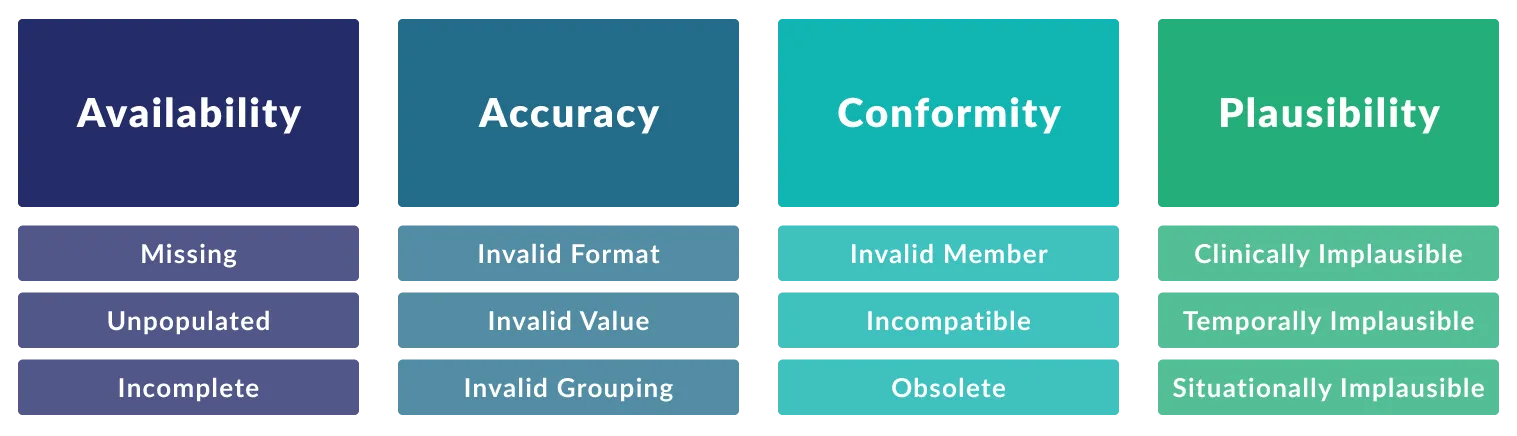

Third, it defines a modular, portable, shareable approach to assessing facets of patient information.
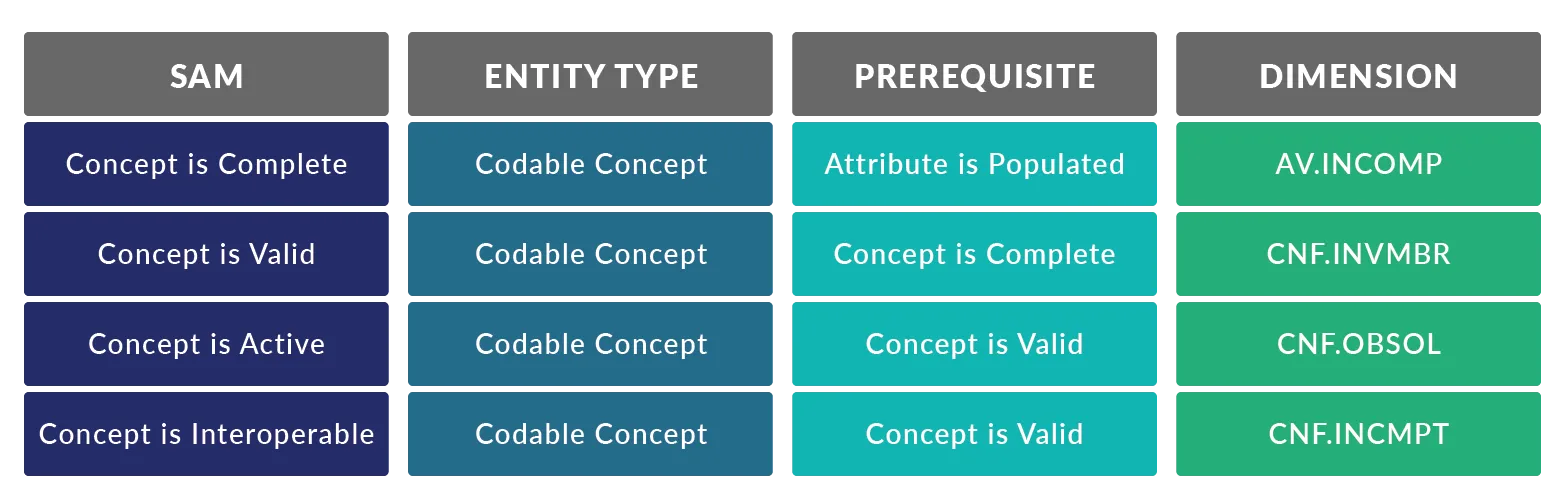

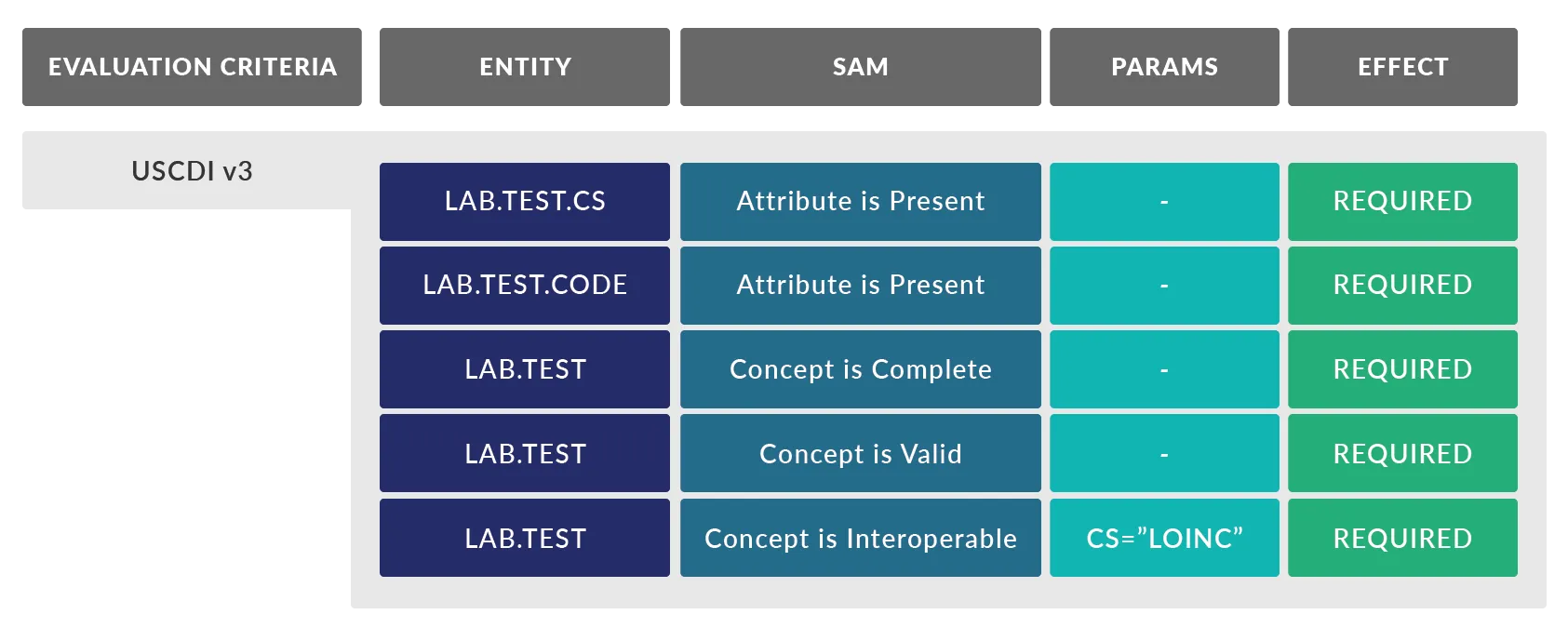
Finally, it supports user defined evaluation rubrics for both common and personalized use cases.
Finally, evaluation rubrics are created in the PIQXL Gateway. The evaluation rubric establishes the assessment criteria, aligns the SAMs to the PIQI taxonomy model, and determines the scoring approach for the data. The assessment process returns a PIQI evaluation score and an optional evaluation report which identifies each area where the data doesn’t pass the evaluation criteria. The PIQXL Gateway gives a detailed look at the patient message level where data did not pass the applied assessments.
Frequently Asked Questions
What message formats can be read by the PIQXL Gateway?
The PIQXL Gateway combined with Pivot can accept message formats including C-CDA, HL7, FHIR and others.
What is the PIQXL Gateway scoring system?
The PIQXL Gateway assigns a score between 1 and 100, representing the quality of patient messages as a percentage. A higher score indicates better message quality. Beyond just providing a number, it can also act like a ‘red pen,’ highlighting data that failed the evaluation and explaining why. This allows you to remediate the data or seek further verification from the original source.
“If you cannot measure it, you cannot improve it.”
– Lord Kelvin
Ready to see how consistent measurement and real improvement is possible?